응급 · Emergency
Health Insurance for a Year in South Korea
M
Matthieu Queru전설Publié le 2 July 2026
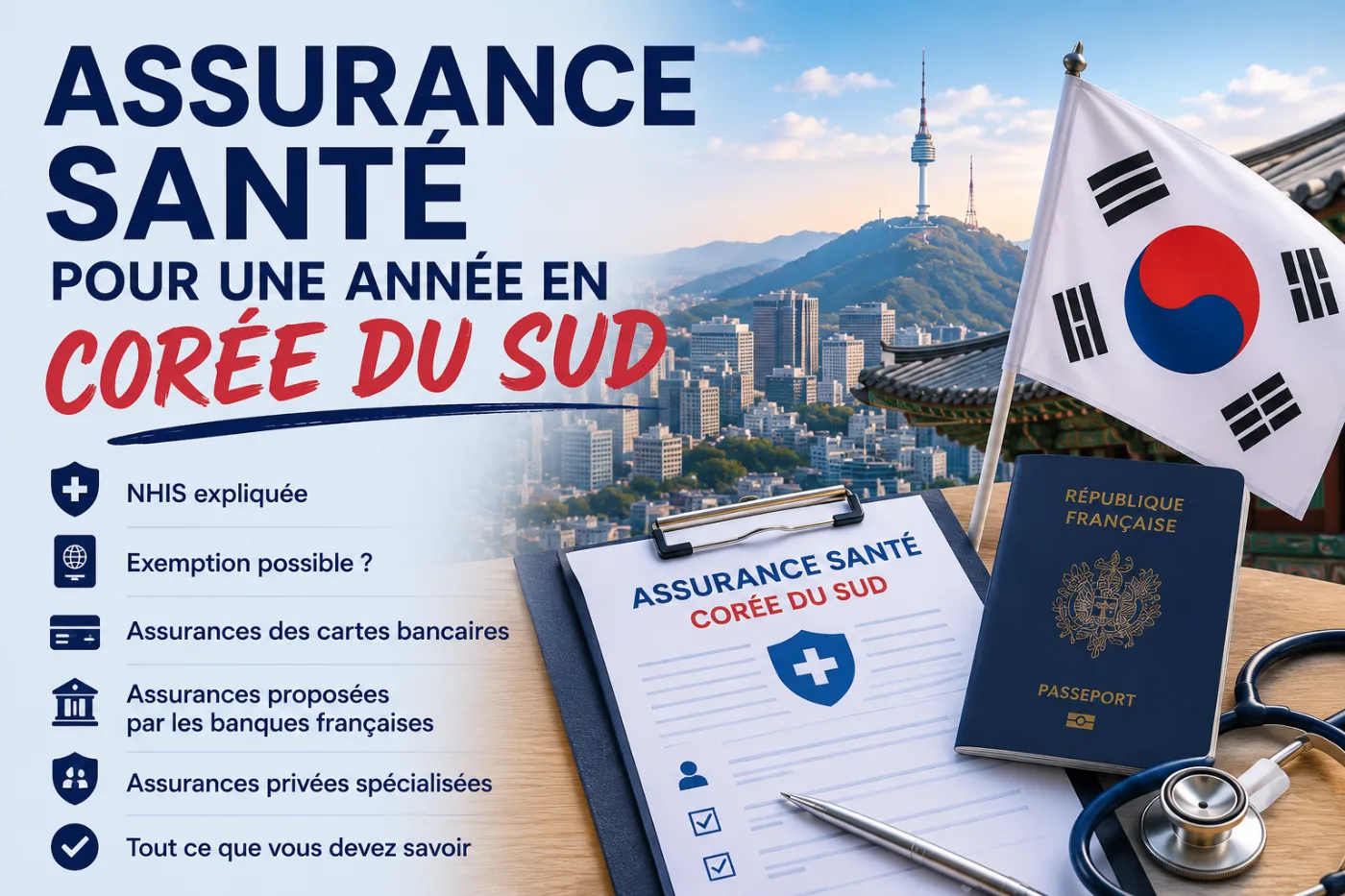
Health Insurance in South Korea: Everything You Need to Know
Health insurance is one of the topics that raises the most questions before moving to South Korea.
Do I need private health insurance? Will I automatically be enrolled in the Korean National Health Insurance (NHIS)? Can I opt out? Is the insurance included with my bank card enough? Can I combine private insurance with the NHIS?
It's completely normal to feel confused, especially since the information available online is often incomplete or even contradictory.
During your exchange year, you may need to visit a doctor, buy prescription medication, or, in some cases, receive more extensive medical treatment. Having the right insurance will help you avoid unexpected expenses and give you peace of mind throughout your stay.
In this guide, I'll explain how the National Health Insurance Service (NHIS) works, when it may be possible to opt out, the benefits of private health insurance, and the different options available before your departure.
By the end of this guide, you'll have all the information you need to choose the health insurance solution that best fits your situation and start your exchange in South Korea with confidence.
The NHIS: South Korea's National Health Insurance
If you're spending an academic year in South Korea with a D-2 student visa, you'll automatically be enrolled in the National Health Insurance Service (NHIS) after receiving your Alien Registration Card (ARC).
The NHIS is South Korea's public health insurance system, similar to France's Social Security. Its purpose is to reduce the cost of healthcare by directly covering part of your medical expenses. Unlike many private insurance policies, you generally don't have to pay the full cost of your treatment upfront. When you visit a doctor, buy prescribed medication, or are hospitalized, you'll usually only pay the portion that remains at your own expense.
How much does the NHIS cost?
International students benefit from a reduced monthly premium.
At the time of writing, the cost is approximately:
79,320 ₩ per month (around €50)
951,840 ₩ per year (around €600)
Please note that this amount is reviewed annually and may change slightly from year to year.
What does the NHIS cover?
The NHIS covers a significant portion of healthcare costs in South Korea, including:
Visits to general practitioners and specialists
Medical examinations (X-rays, CT scans, MRIs, blood tests, etc.)
Prescription medication
Hospitalization
Surgical procedures
Part of certain dental treatments
In most cases, the NHIS covers around 60% to 70% of eligible medical expenses. You'll be responsible for paying the remaining 30% to 40%, often referred to as the out-of-pocket cost. The exact reimbursement rate depends on the type of treatment and the healthcare provider.
Why can the remaining cost still be expensive?
Hearing that the NHIS covers 60% to 70% of your medical expenses may sound reassuring. However, it's important to remember that healthcare in South Korea can be expensive, especially if you're hospitalized or require specialized treatment.
For example:
A routine doctor's visit with prescribed medication may only cost you around €10 to €15 after NHIS coverage.
On the other hand, a hospital stay, surgery, or more complex medical treatment can easily cost several thousand euros.
Even if the NHIS covers 70% of those expenses, you could still be left paying hundreds—or even over a thousand euros—out of your own pocket.
This is one of the main reasons why many international students choose to supplement the NHIS with private health insurance, which may reimburse all or part of these remaining costs depending on the policy.
Advantages of the NHIS
You usually don't have to pay the full cost of medical treatment upfront.
It is accepted by virtually every hospital and clinic in South Korea.
The process is simple: in most cases, you only need to present your ARC during your appointment.
Everyday medical care becomes much more affordable thanks to NHIS coverage.
Limitations of the NHIS
It's important to understand that the NHIS is health insurance, not travel insurance.
It generally does not cover:
Medical repatriation
Personal liability abroad
Lost or stolen luggage
Travel assistance services
Certain treatments that are not covered by the Korean healthcare system
For this reason, many students choose to keep the NHIS while also purchasing private health insurance. This combination provides the benefits of South Korea's healthcare system while offering additional protection in case of unexpected events.
Can You Opt Out of the NHIS?
This is probably the question French students ask the most before moving to South Korea.
The answer is yes, it is possible to apply for an exemption thanks to the social security agreement between France and South Korea. Under certain conditions, this exemption allows French citizens to avoid paying NHIS contributions during their stay.
How does the process work?
Once you have received your Alien Registration Card (ARC), you can visit a National Health Insurance Service (NHIS) office and request an exemption.
In theory, the NHIS may ask you to provide several documents, including proof that you are covered by a private health insurance policy. The exact requirements may vary depending on your situation and the regulations in place at the time.
💡 My Experience (and That of Other Epitech Students)
Based on my own experience, as well as the experience of several Epitech Paris students who attended Keimyung University in previous years, the process was actually much simpler than expected.
After receiving our ARC, we simply went to a local NHIS office and explained that we were French citizens.
In almost every case, the NHIS staff processed the exemption immediately without asking for any forms or proof of private health insurance.
The entire process usually took only a few minutes.
⚠️ Keep in mind: administrative procedures can change over time. Although this has been the experience of multiple Epitech students, we still recommend checking the latest information with your host university or your local NHIS office before making any decisions.
Should You Apply for an Exemption?
There isn't a single correct answer.
Some students choose to opt out of the NHIS and rely entirely on private health insurance.
Others prefer to keep the NHIS alongside a private insurance policy in order to benefit from South Korea's healthcare system while also enjoying additional coverage such as medical repatriation, personal liability insurance, and travel assistance.
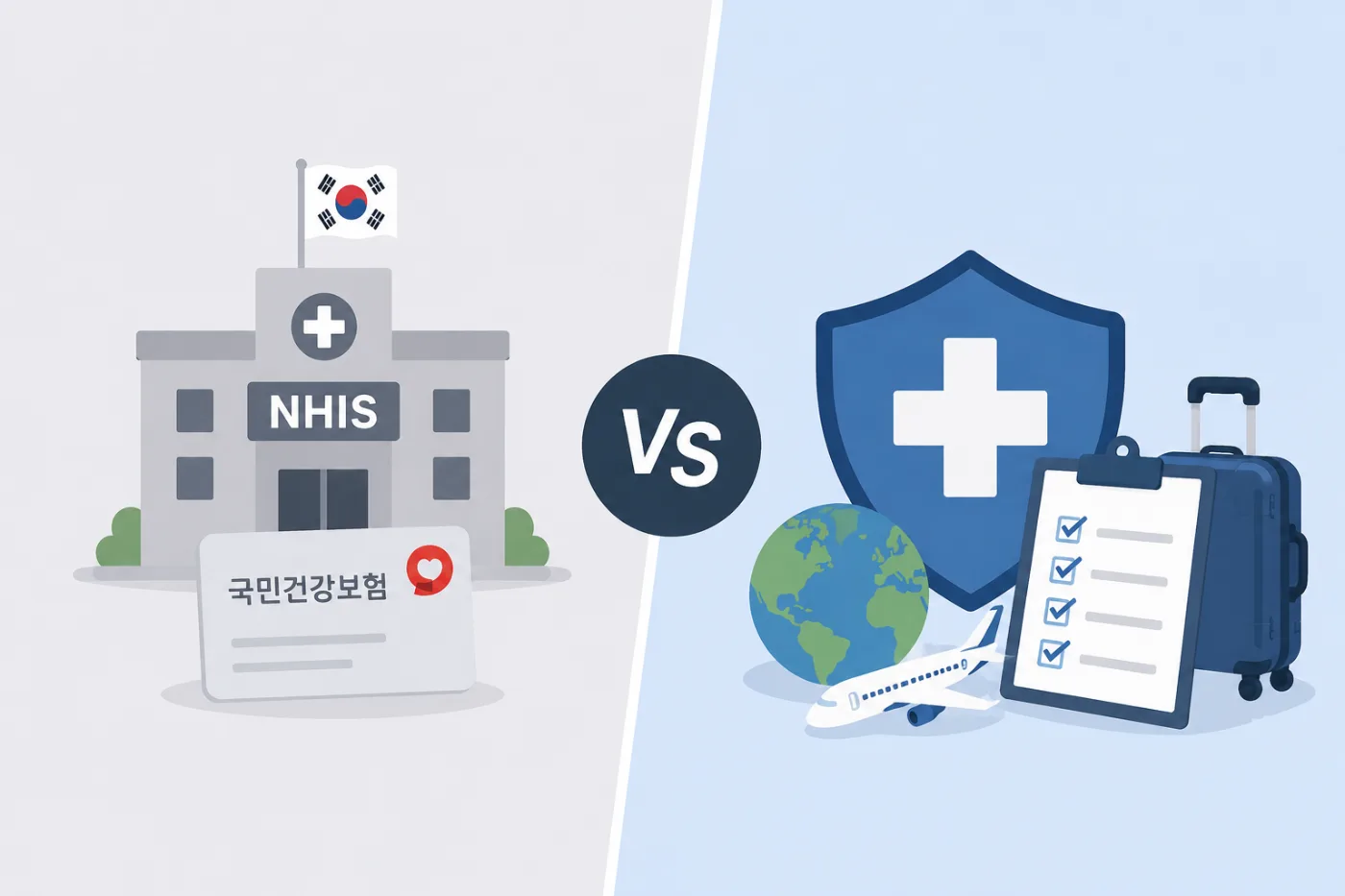
Why Should You Get Private Health Insurance?
Although the NHIS provides excellent coverage for medical care in South Korea, it does not replace private health insurance.
In reality, the two serve different purposes and can perfectly complement each other.
The NHIS is primarily a health insurance system. Its role is to reduce the cost of medical treatment in South Korea by directly covering a significant portion of your healthcare expenses.
Private health insurance, on the other hand, usually offers much broader protection.
Depending on your policy, it may cover:
Medical repatriation
Medical expenses not covered by the NHIS
The remaining out-of-pocket costs after NHIS reimbursement
Personal liability abroad
24/7 emergency assistance
Emergency return home
Lost or stolen luggage (depending on the policy)
Certain sports or specific activities
A Key Difference: How Reimbursements Work
One of the biggest differences between the NHIS and private insurance is how medical expenses are handled.
With the NHIS
When you visit a doctor or are hospitalized, the NHIS pays its share of the medical costs directly to the healthcare provider.
In most cases, you only pay the remaining balance, rather than the full amount of the bill.
With Private Health Insurance
In most situations, you'll first need to pay your medical expenses yourself.
You'll then submit the required documents (medical invoices, prescriptions, medical reports, etc.) to your insurance company, which will reimburse you according to the terms of your policy.
Some insurers also offer direct payment arrangements for major hospitalizations, but this depends on the specific coverage included in your plan.
Why Do Many Students Keep Both?
Many international students choose to keep both the NHIS and private health insurance.
The NHIS immediately reduces the amount you have to pay when receiving medical treatment in South Korea.
If you still have out-of-pocket expenses, your private insurance may reimburse all or part of the remaining amount, depending on your policy.
In addition, private insurance provides valuable benefits that the NHIS does not offer, such as medical repatriation, personal liability coverage, travel assistance, and other travel-related protections.
For many students, combining both systems offers the highest level of protection throughout their exchange year.
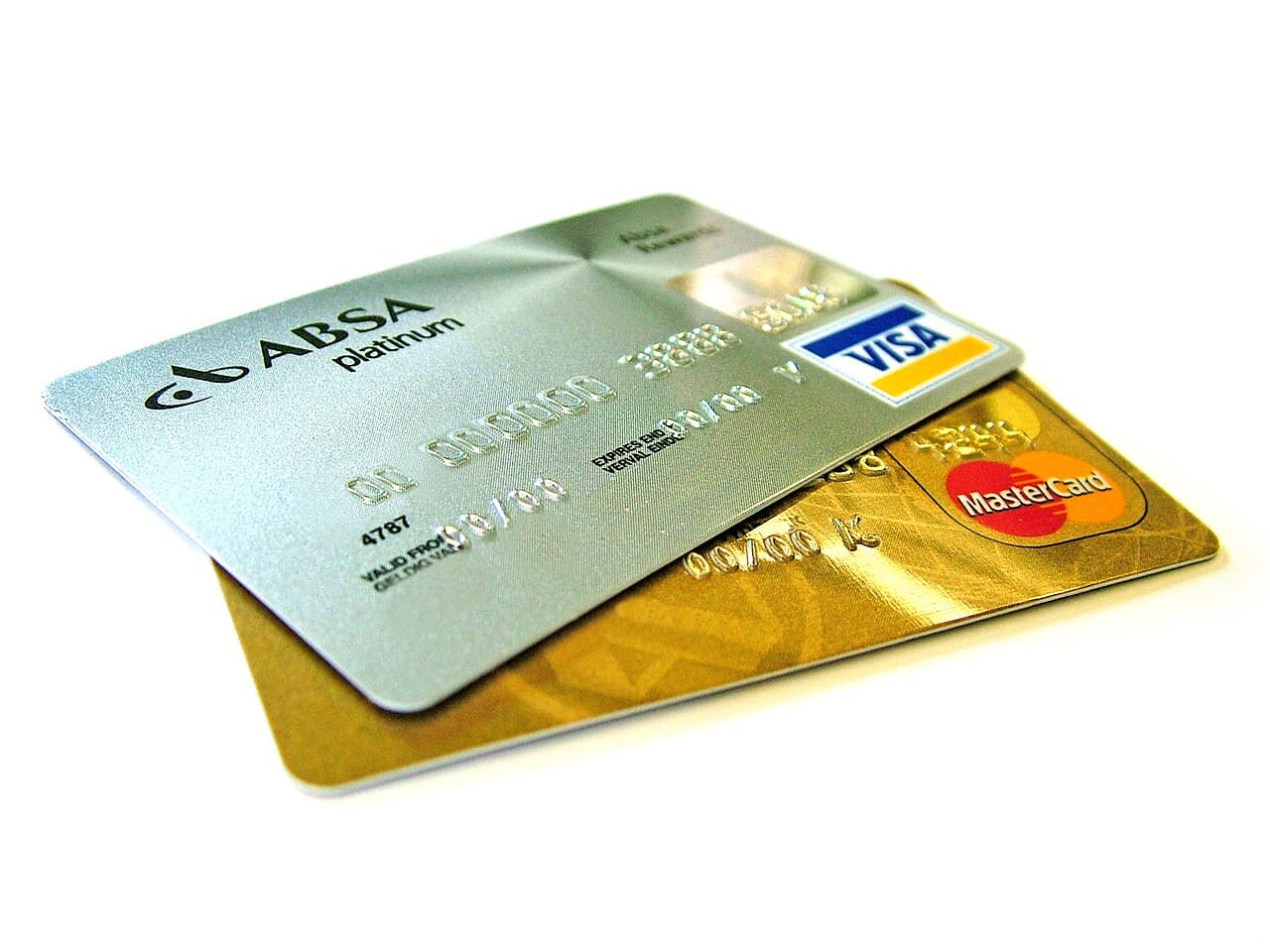
Insurance Included with Bank Cards
Before purchasing private health insurance, many students wonder whether the insurance included with their bank card is enough.
Premium cards such as Visa Premier, Visa Infinite, Mastercard Gold, Mastercard World Elite, or certain premium online banking plans often include travel insurance at no additional cost.
Depending on your card, this insurance may cover:
Emergency medical expenses
Medical repatriation
Personal liability abroad
Trip cancellation or interruption
Lost, stolen, or delayed luggage
At first glance, this may seem more than enough. However, it's important to carefully read the terms and conditions of your policy.
One Major Limitation: Coverage Duration
In most cases, the insurance included with bank cards only covers the first 90 days of your trip.
An academic exchange in South Korea usually lasts 10 to 12 months.
This means that, while your bank card may provide useful coverage during the beginning of your stay, you will generally no longer be insured for the remainder of your exchange.
⚠️ Always check your policy carefully, as coverage periods and benefits vary depending on your bank and the type of card you own.
Can You Rely Only on Your Bank Card Insurance?
For a short vacation or a trip lasting a few weeks, the answer is often yes.
However, for a full academic year abroad, I would not recommend relying solely on your bank card insurance.
The limited coverage period alone makes it unsuitable for a long-term stay, and the benefits are often less comprehensive than those offered by insurance policies specifically designed for students studying abroad.

Insurance Offered by French Banks
In addition to the insurance included with certain bank cards, many French banks also offer travel insurance or international health insurance that can be purchased separately.
This is the case for banks such as:
LCL
Crédit Agricole
BNP Paribas
Société Générale
CIC
Crédit Mutuel
Caisse d'Épargne
Banque Populaire
Depending on the bank, these policies can be an excellent alternative to specialized insurance providers, especially if you're already a customer.
What Do They Usually Cover?
Coverage varies from one bank to another, but most policies generally include:
Medical expenses abroad
Medical repatriation
Personal liability insurance
24/7 travel assistance
Lost, stolen, or delayed luggage
Trip cancellation or interruption
Some banks also offer insurance plans specifically designed for students, expatriates, or long-term stays abroad.
Are They Suitable for a Year in South Korea?
It depends entirely on the policy.
Some plans only provide coverage for a few months, while others can be purchased for a full academic year.
Before making your decision, I recommend checking the following points carefully:
Maximum coverage period
Medical expense limits
Deductibles or excess fees
Policy exclusions
Reimbursement procedures
Medical repatriation coverage
Never assume that a bank insurance policy is automatically suitable for a one-year exchange program.
My Advice
Before purchasing specialized private insurance, take a few minutes to contact your bank.
You may already be eligible for an international insurance plan offering competitive pricing or coverage that fits your needs.
Personally, I recommend comparing your bank's offer with specialized providers such as Chapka, ACS, APRIL, AVI International, or Assur Travel. This will help you choose the solution that offers the best balance between price, coverage, and overall protection for your year in South Korea.
Private Health Insurance
If you're planning to spend an academic year in South Korea, I highly recommend purchasing private health insurance before your departure.
Unlike the insurance included with most bank cards, these policies are specifically designed for long-term stays abroad and usually provide much more comprehensive coverage.
Among the companies most commonly chosen by French students are:
Chapka Assurances
ACS
APRIL International
Assur Travel
AVI International
Each provider offers several plans with different levels of coverage. Rather than choosing the cheapest option, I recommend comparing the guarantees included in each policy.
What Should You Compare?
Not all insurance policies offer the same level of protection.
Before purchasing a plan, make sure to check:
The maximum medical coverage amount
Medical repatriation coverage
Personal liability insurance
Deductibles or excess fees
Coverage for sports and outdoor activities
Luggage protection
Search and rescue coverage
Maximum policy duration
Exclusions (pre-existing conditions, high-risk sports, etc.)
A policy that costs slightly more may provide significantly better protection if something serious happens during your stay.
Chapka: My Personal Choice
For my exchange year in South Korea, I chose Chapka.
It is one of the insurance companies most frequently recommended by students studying abroad, and after comparing several providers, it seemed to offer the best balance between coverage, price, and services for my needs.
Its main advantages include:
High medical coverage limits
24/7 emergency assistance
Medical repatriation
Personal liability insurance
Coverage specifically designed for long-term stays abroad
Of course, this doesn't necessarily mean it's the best option for everyone. Depending on your budget and your specific needs, another provider may offer a policy that suits you better.
Conclusion
Ultimately, there isn't a single "best" solution when it comes to health insurance in South Korea. The right choice depends on your budget, the level of coverage you're looking for, and how comfortable you are with taking on potential medical expenses.
Personally, I decided to opt out of the NHIS and rely solely on Chapka private health insurance throughout my exchange year. This worked perfectly for me, and I never encountered any issues.
That doesn't necessarily mean it's the best option for everyone. Some students prefer to keep the NHIS alongside a private insurance policy to reduce their out-of-pocket medical expenses while still benefiting from additional coverage such as medical repatriation and travel assistance.
My advice is simple: take the time to compare the different options before you leave and choose the one that best fits your situation.
One thing is certain, though: don't go to South Korea without proper health insurance. Hopefully, you'll never need it—but if you do, you'll be glad you took the time to prepare before your departure.
ce guide t'a aidé ?